

Within a few weeks of starting their photographer search, most couples are using words like documentary, editorial, fine art, and candid without always knowing what those words actually mean or how they’re different from each other. The wedding photography industry uses style labels loosely, and the marketing language often blurs lines that, in practice, are sharp. This documentary wedding photography Seattle style guide walks through what each style actually delivers, where the meaningful distinctions live, and how to figure out which one fits the wedding you’re planning.
The four wedding photography styles couples encounter
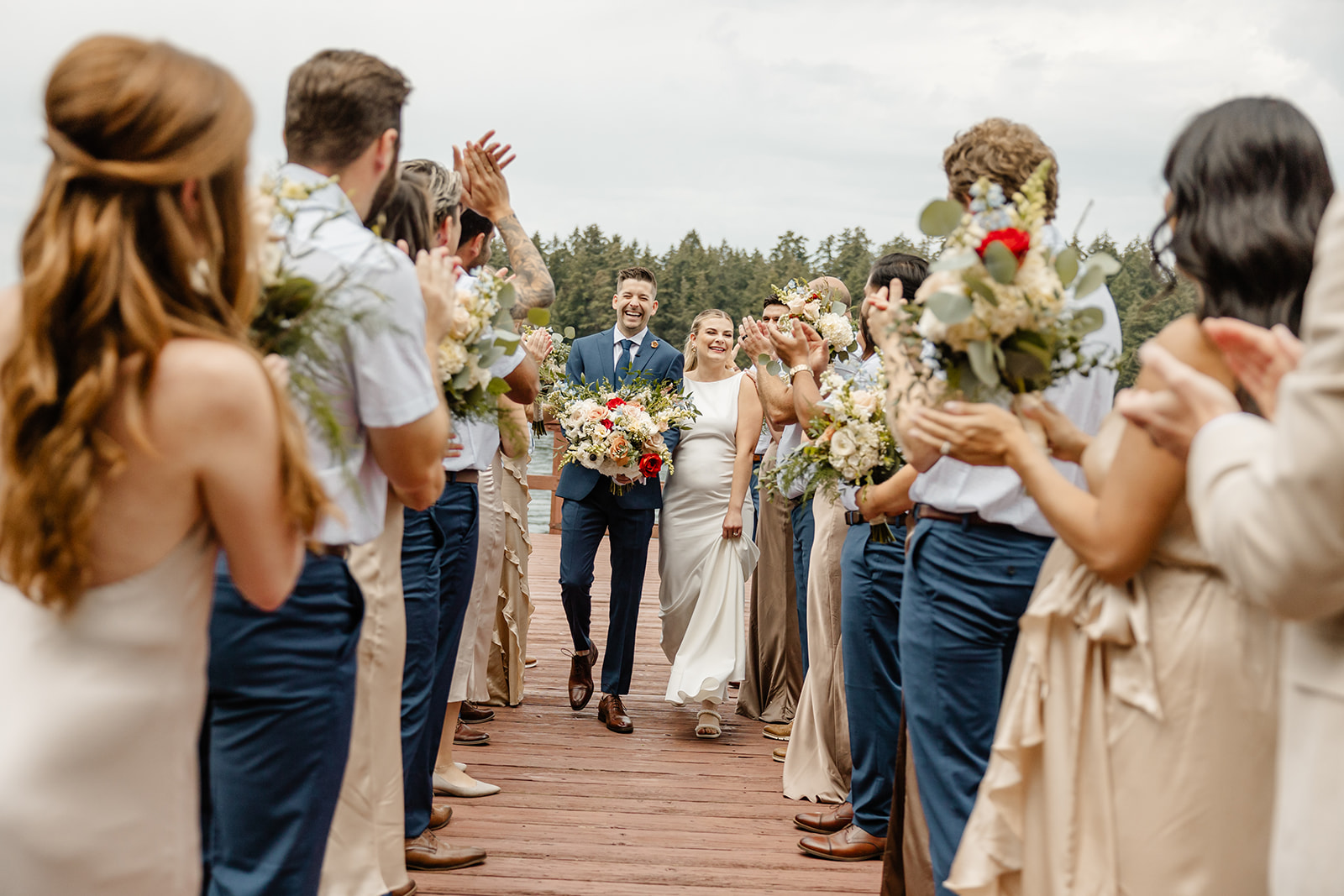
Documentary (also called photojournalistic)
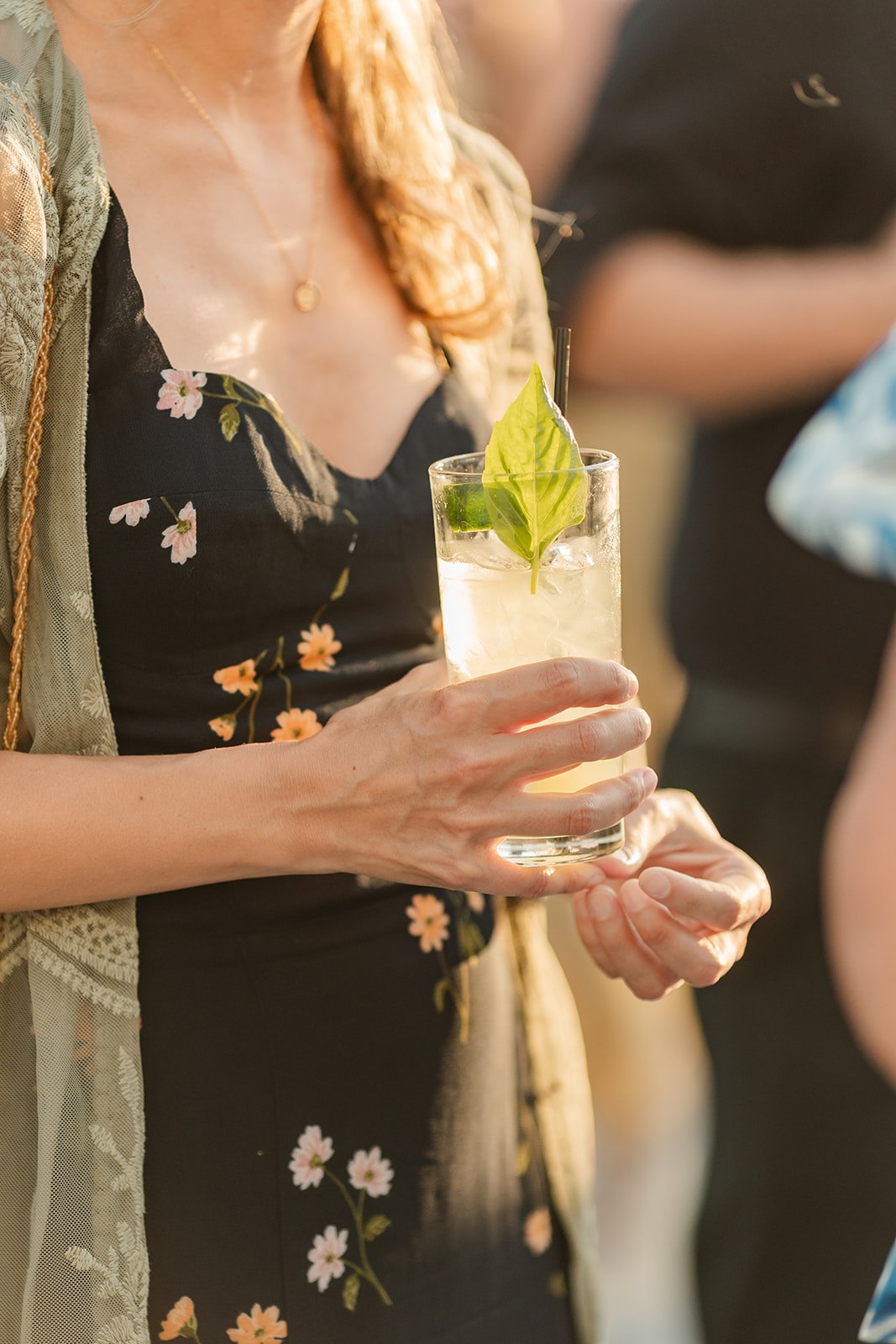
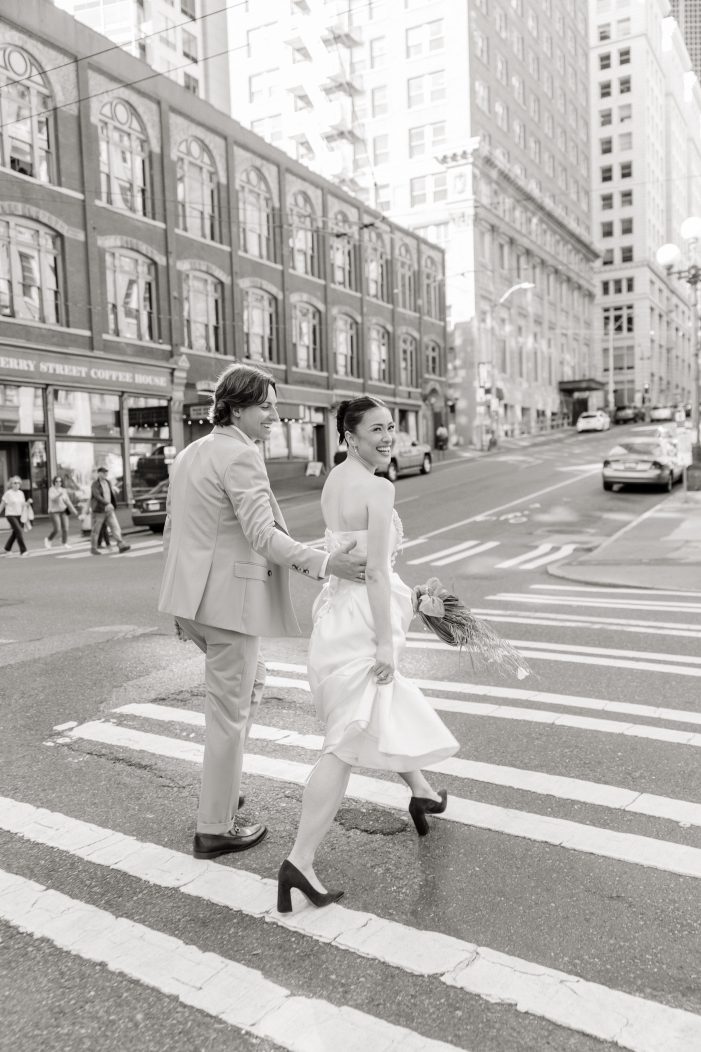
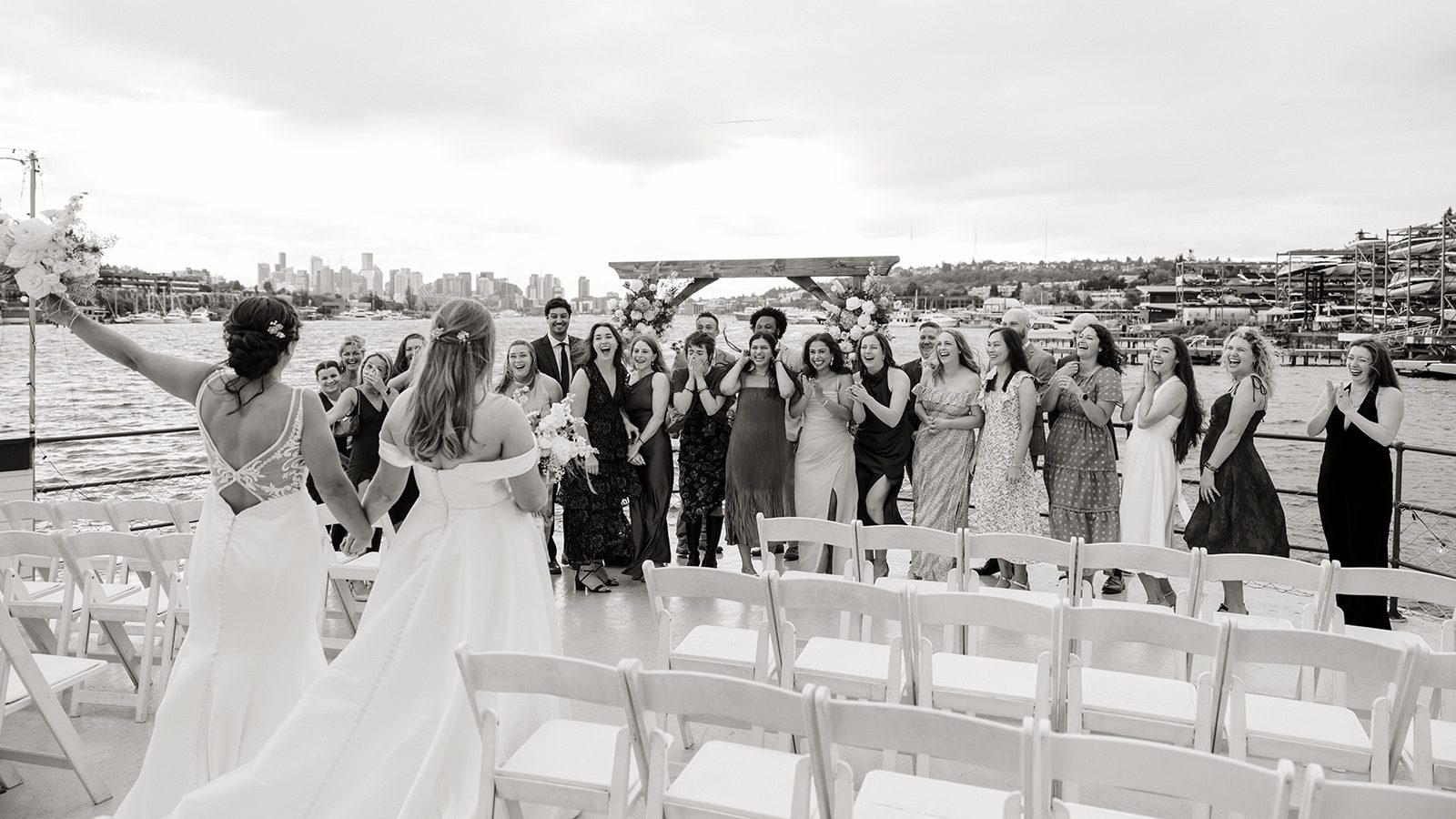
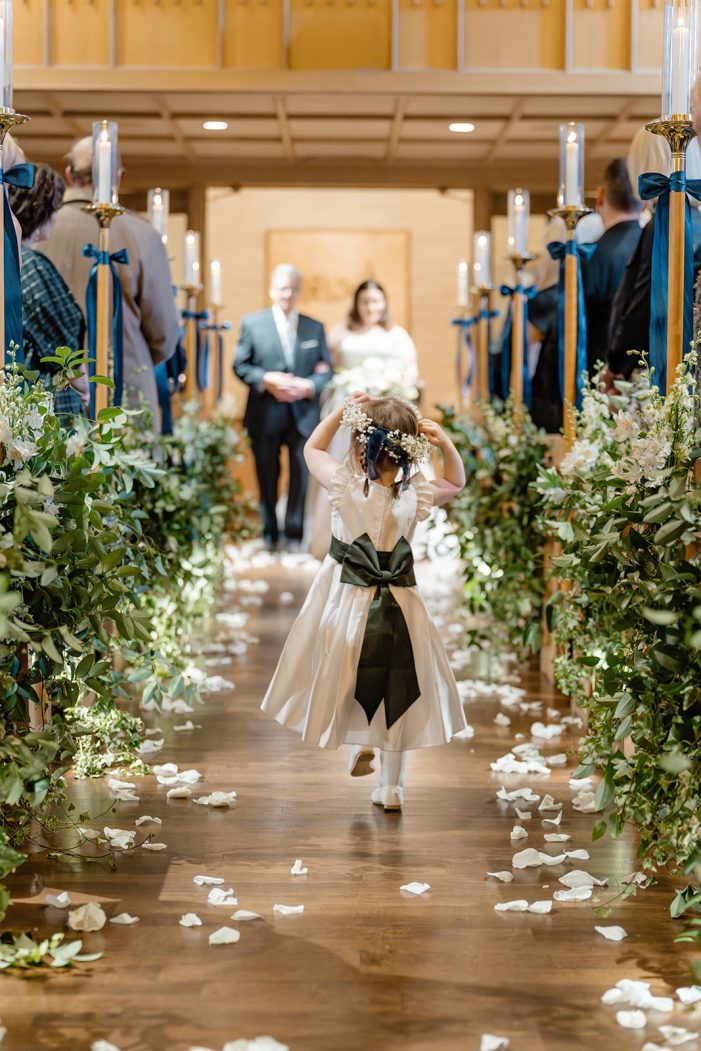
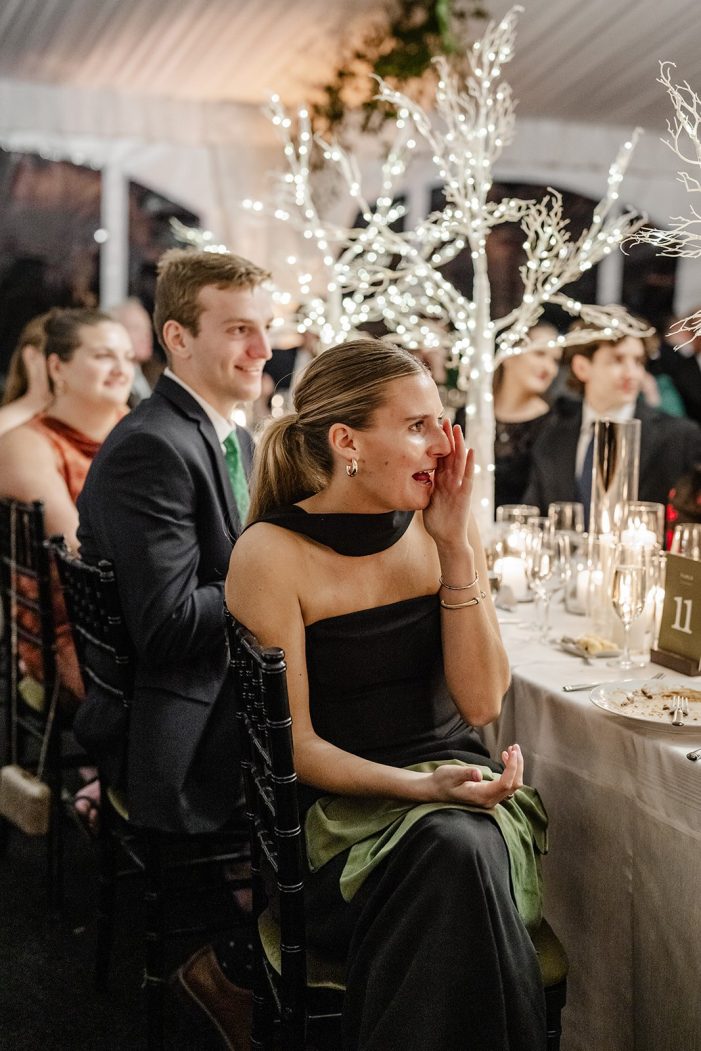
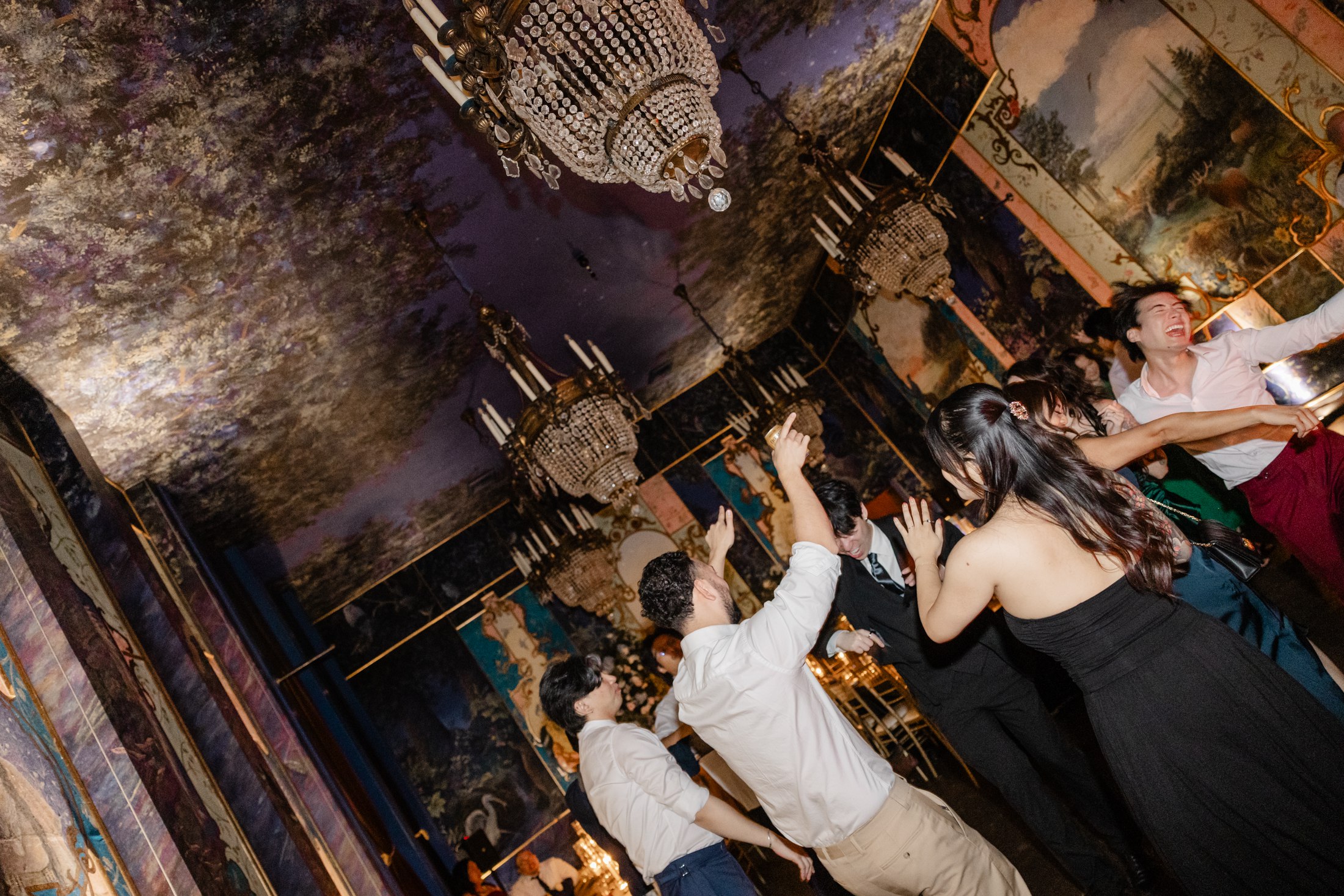
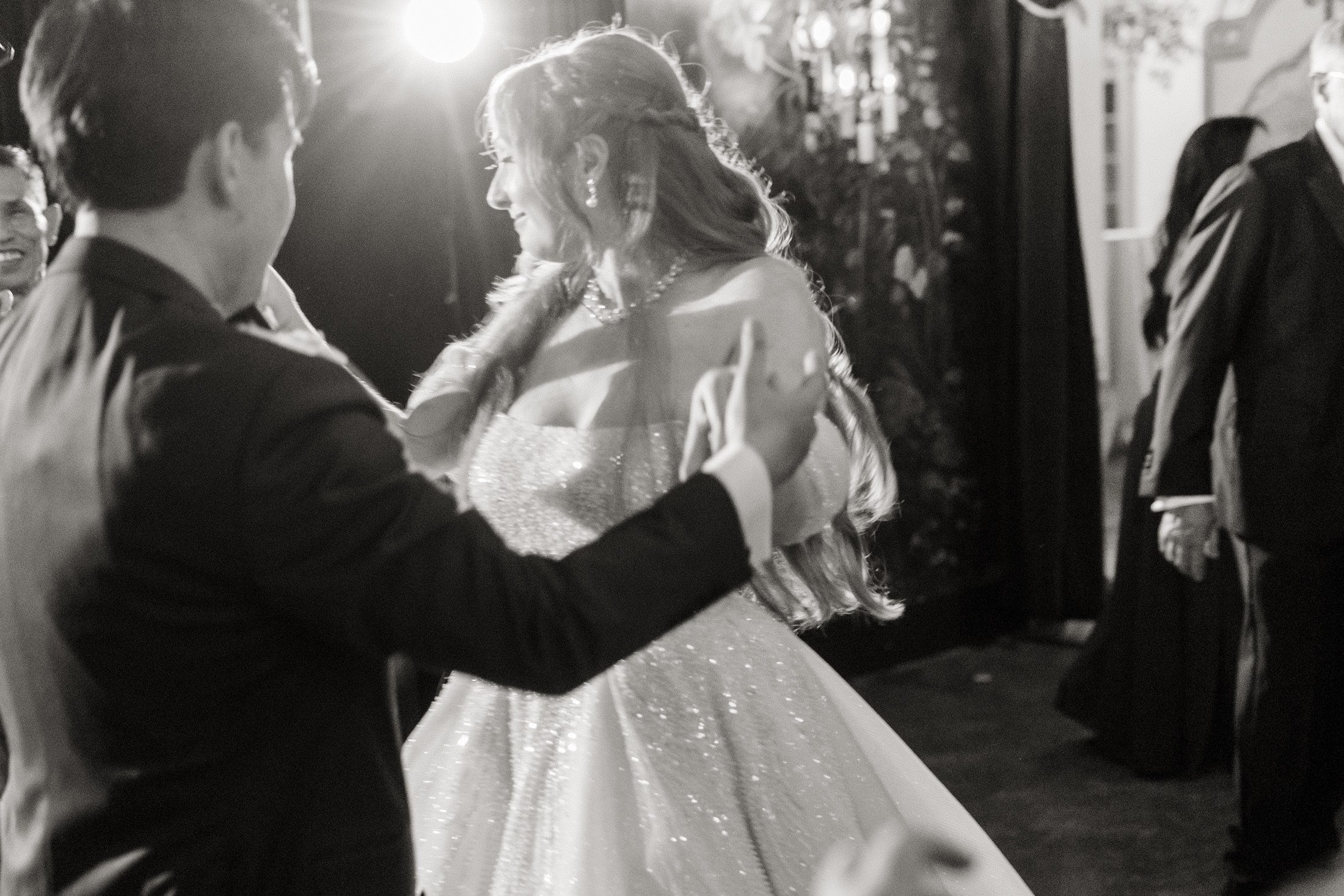
The photographer observes and follows rather than directs. Posed portraits are part of the day but a smaller share of the coverage; the majority of the gallery is candid moments, reactions, and connection. Galleries from documentary photographers tend to read as a narrative of the day rather than a series of styled images. The approach is built on the idea that the photos couples return to most are the unguarded ones, and the photographer’s job is to stay close enough to catch them.

Editorial
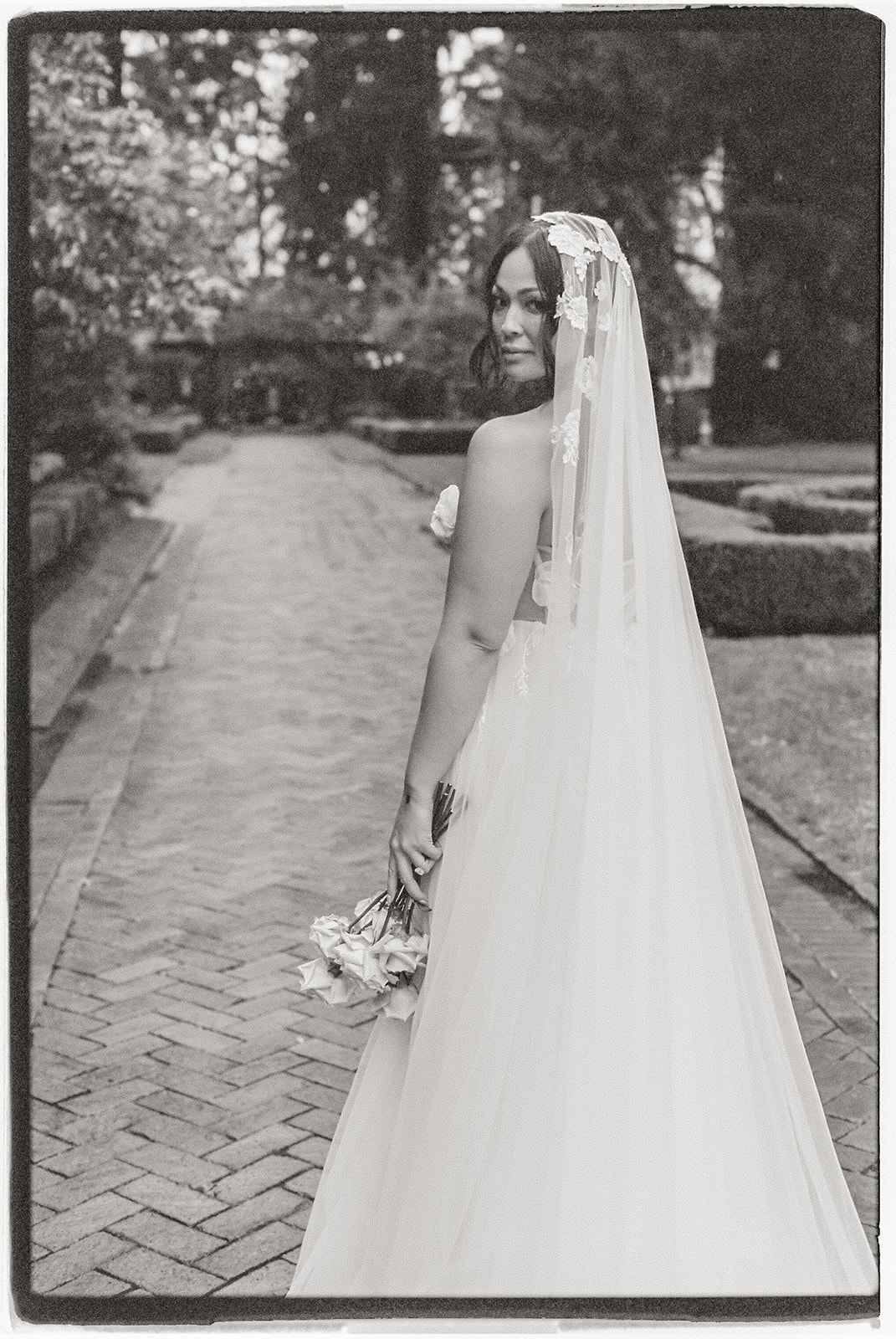
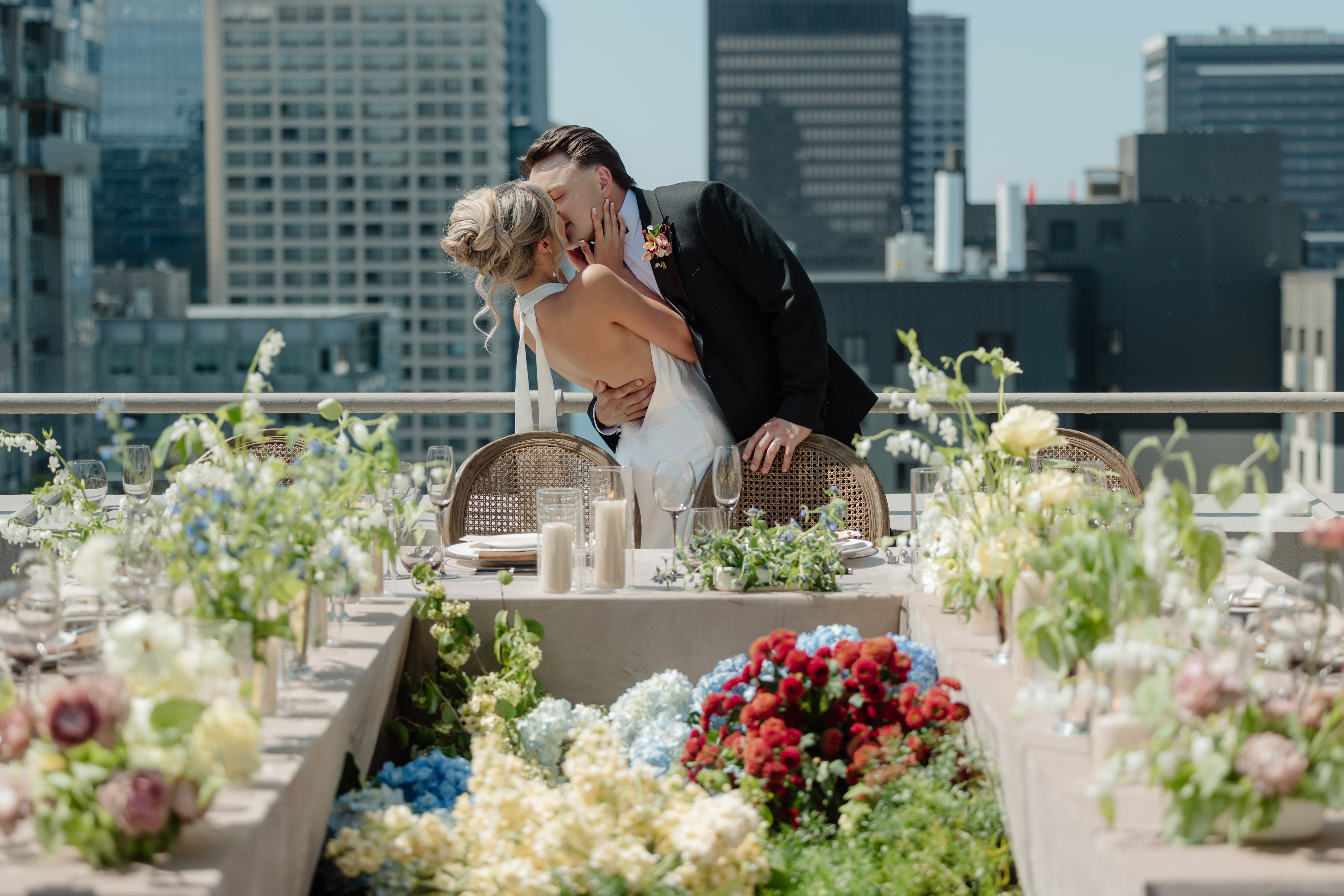
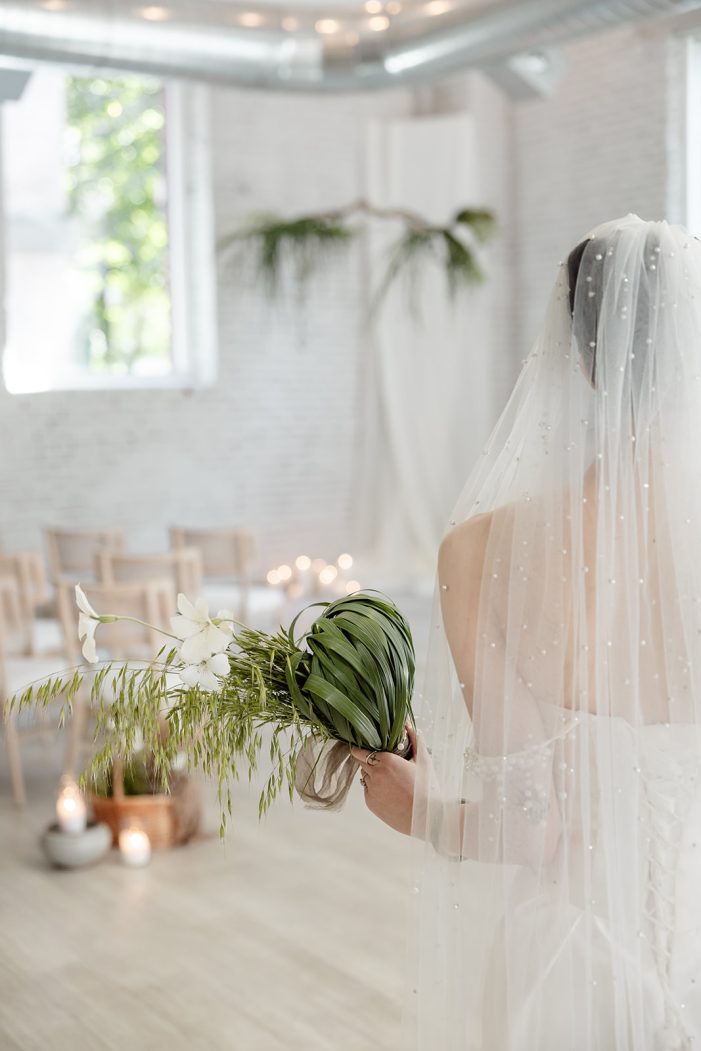
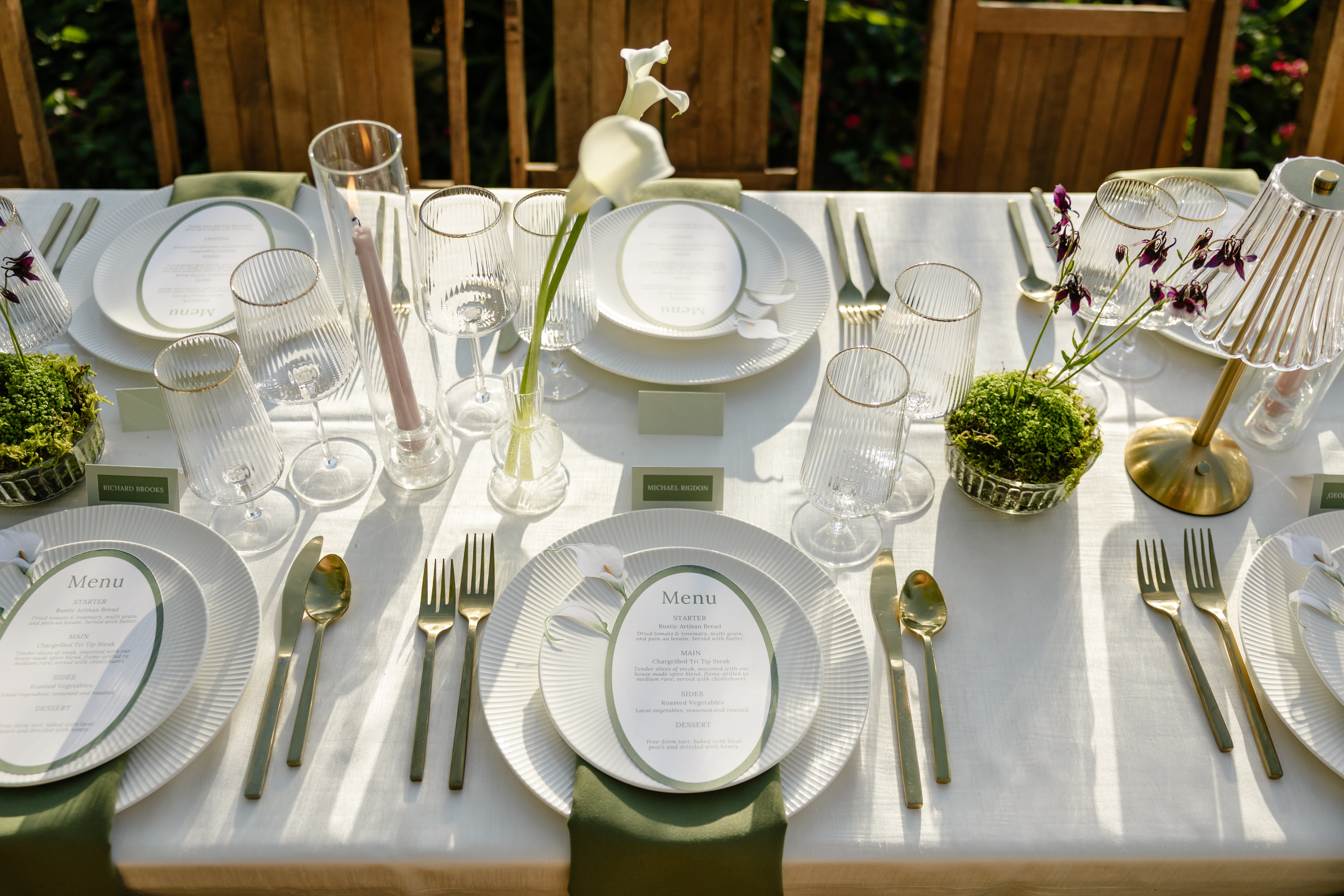
Editorial photography borrows its language from fashion editorial work. The photographer directs heavily, posing couples in intentional compositions with strong attention to wardrobe, location, and light. The wedding day becomes the source material for what amounts to a styled shoot rendered through a real event. Editorial photographers typically allocate substantial blocks of time for posed portraiture, sometimes including outfit changes or multiple location moves. Galleries read as polished and visually consistent, the kind of images that earn space in magazine features and editorial publications.

Fine art
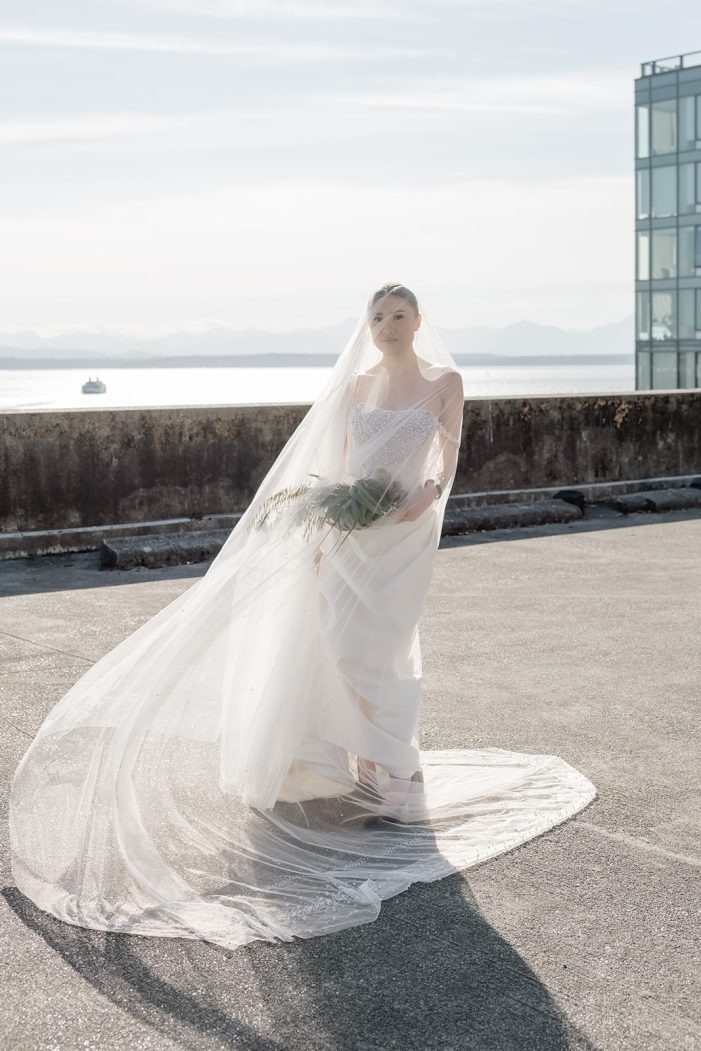
Fine art is the most loosely used term in the industry. At its most rigorous, it describes work that prioritizes atmosphere, composition, and a specific aesthetic sensibility (often soft tones, film like processing, and intentional pacing). At its loosest, fine art is a marketing term for photographers shooting in the light and airy tradition. Many fine art photographers shoot film alongside or instead of digital, which contributes to both the look and the higher investment level the style typically requires.
Traditional or classic
This is the style most older relatives picture when they hear “wedding photographer.” Formal portraits are extensive, family groupings are large and structured, and the gallery favors completeness over interpretation: every guest, every formal moment, every combination. It works best for couples whose family expectations skew formal or whose wedding hasn’t been designed around a strong visual aesthetic.
A quick note on light and airy vs dark and moody
These two terms describe color processing rather than full styles. A light and airy photographer edits for soft, bright, pastel galleries with low contrast. A dark and moody photographer edits for richer shadows, deeper saturation, and more dramatic contrast. Both treatments can sit on top of any style above. They aren’t competing approaches; they’re tonal preferences.
Documentary vs editorial wedding photography in practice
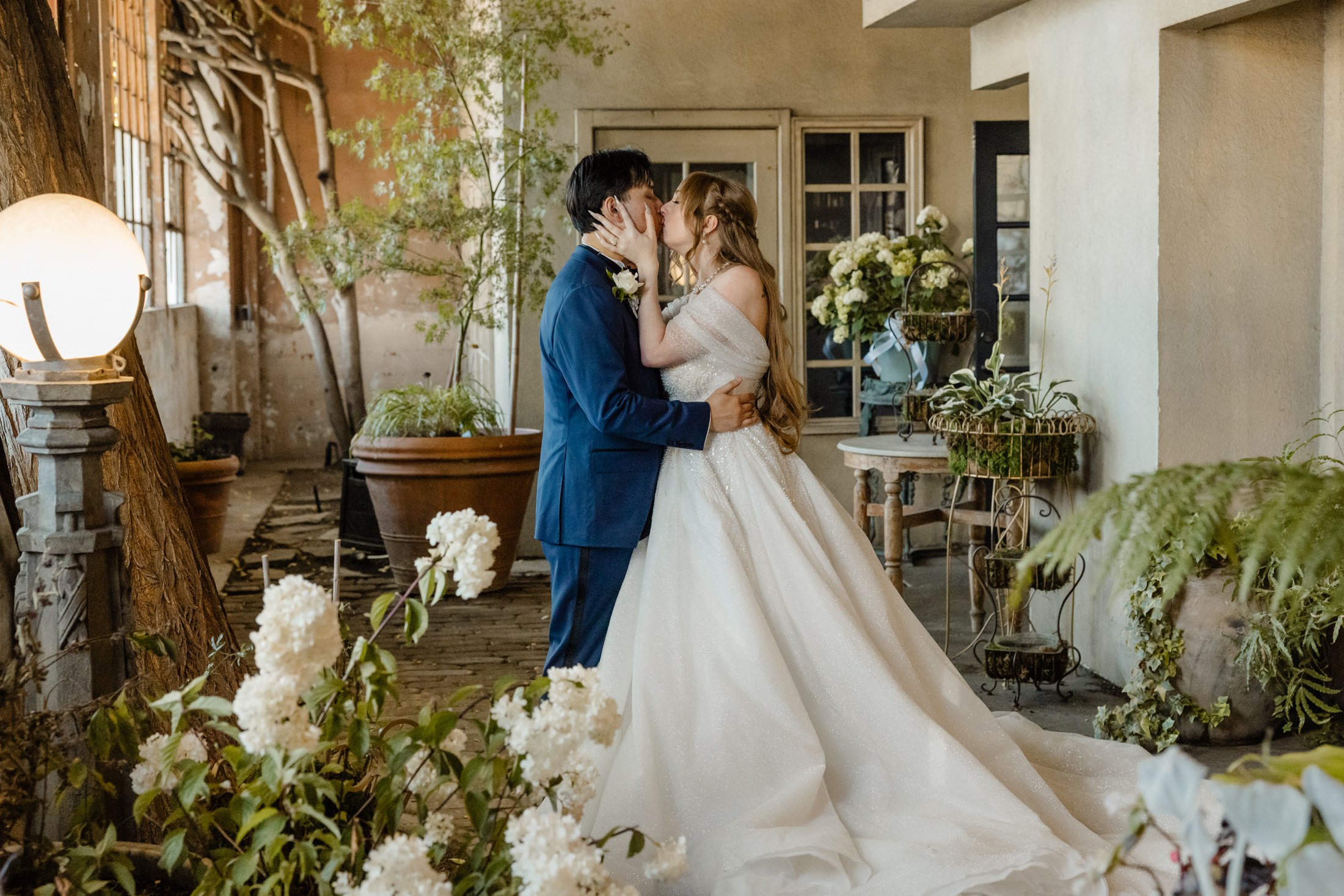
Most couples are weighing some version of this decision, even without using those exact words. The practical difference shows up in three places, and the easiest way to see it in action is to look at a full wedding feature from a photographer working in the middle of the spectrum, where both impulses are present at once.
How the day feels. A documentary photographer is largely invisible during the day, present without redirecting it. An editorial photographer is a more active participant, moving you to where the light is best and adjusting the composition between frames. Same wedding, two very different memories of what it felt like.
What the gallery contains. Documentary galleries are heavy on moments and reactions. Editorial galleries are heavy on intentional portraits and styled details. Same wedding, two different stories told.
How much of the day goes to posed time. Editorial typically requires 90 to 120 minutes of dedicated portrait blocks across the day. Documentary needs closer to 30 to 45 minutes. The difference shows up on your timeline, which means style choice affects how much of your wedding you actually spend with your guests.
Neither is wrong. They answer fundamentally different questions about what a wedding day is for. The complication is that most experienced photographers don’t sit at either pole. Pure documentary work with zero posing is rare. Pure editorial work that ignores moments is rare. The interesting question is where on the spectrum a photographer actually lives, and that’s harder to read from a single image than from a full gallery.
Our documentary wedding photography approach: documentary meets refined
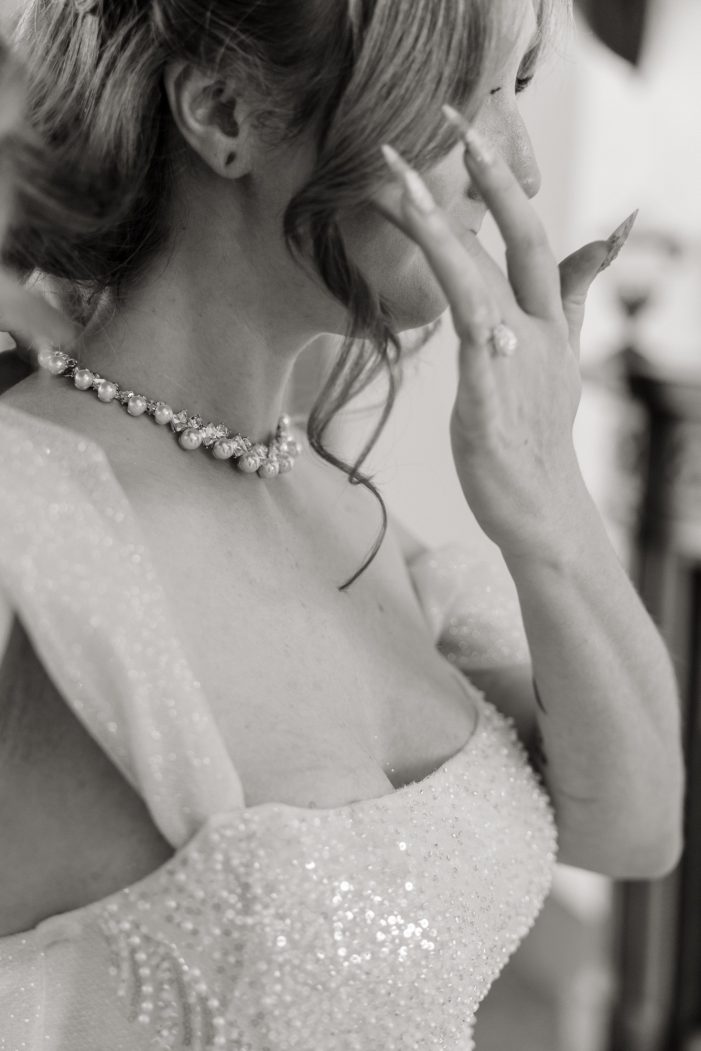
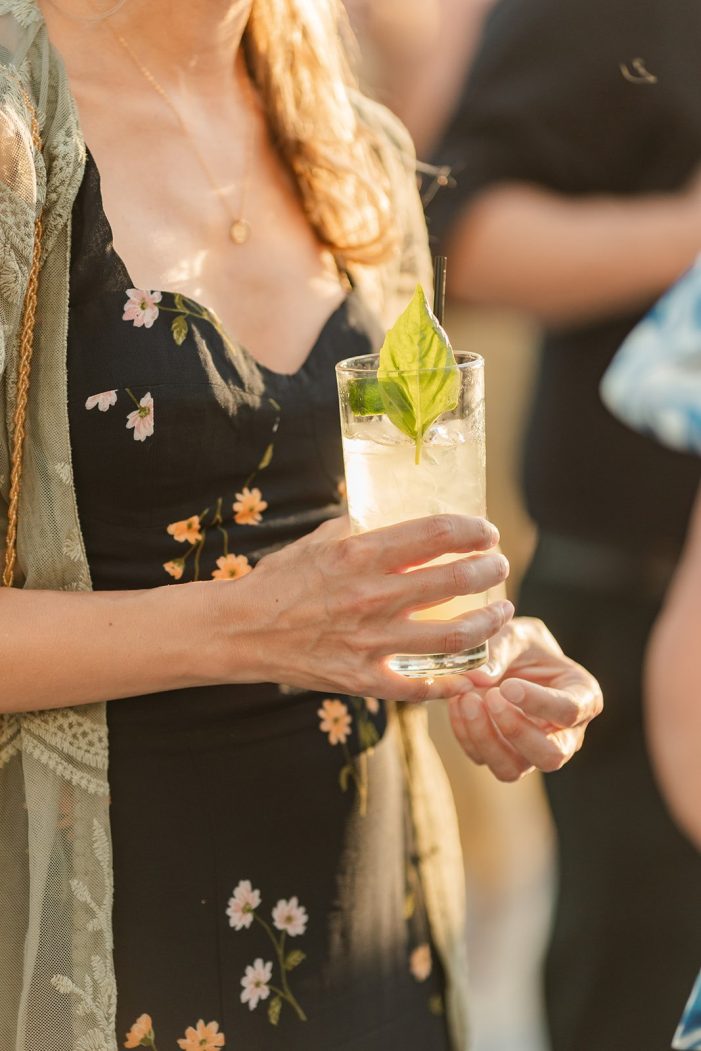
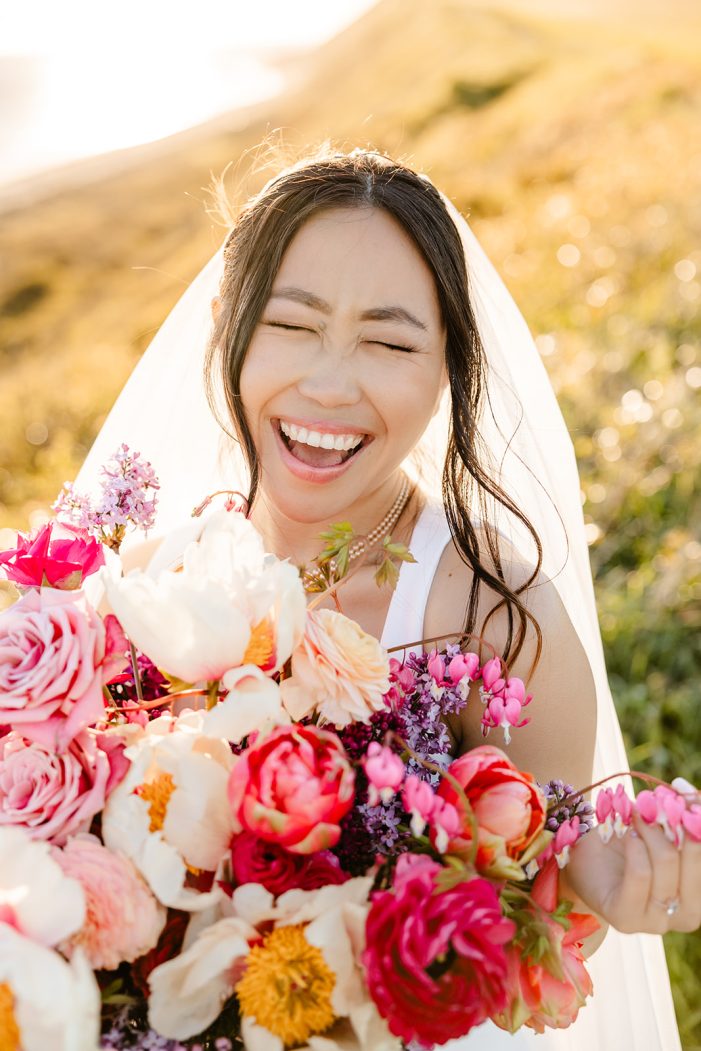
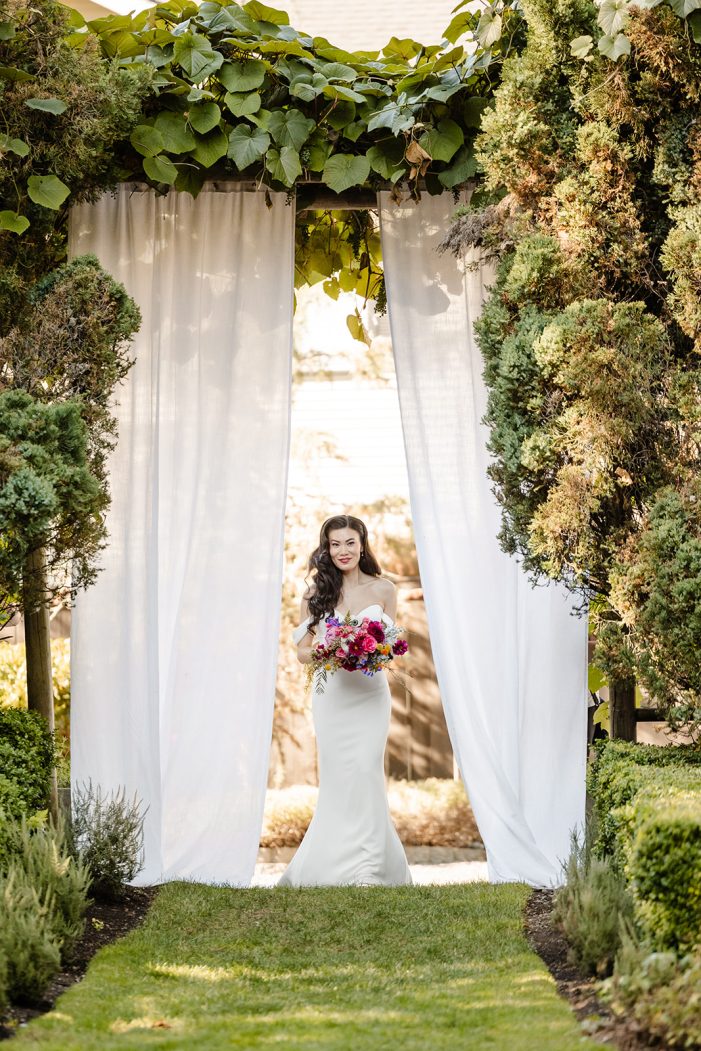
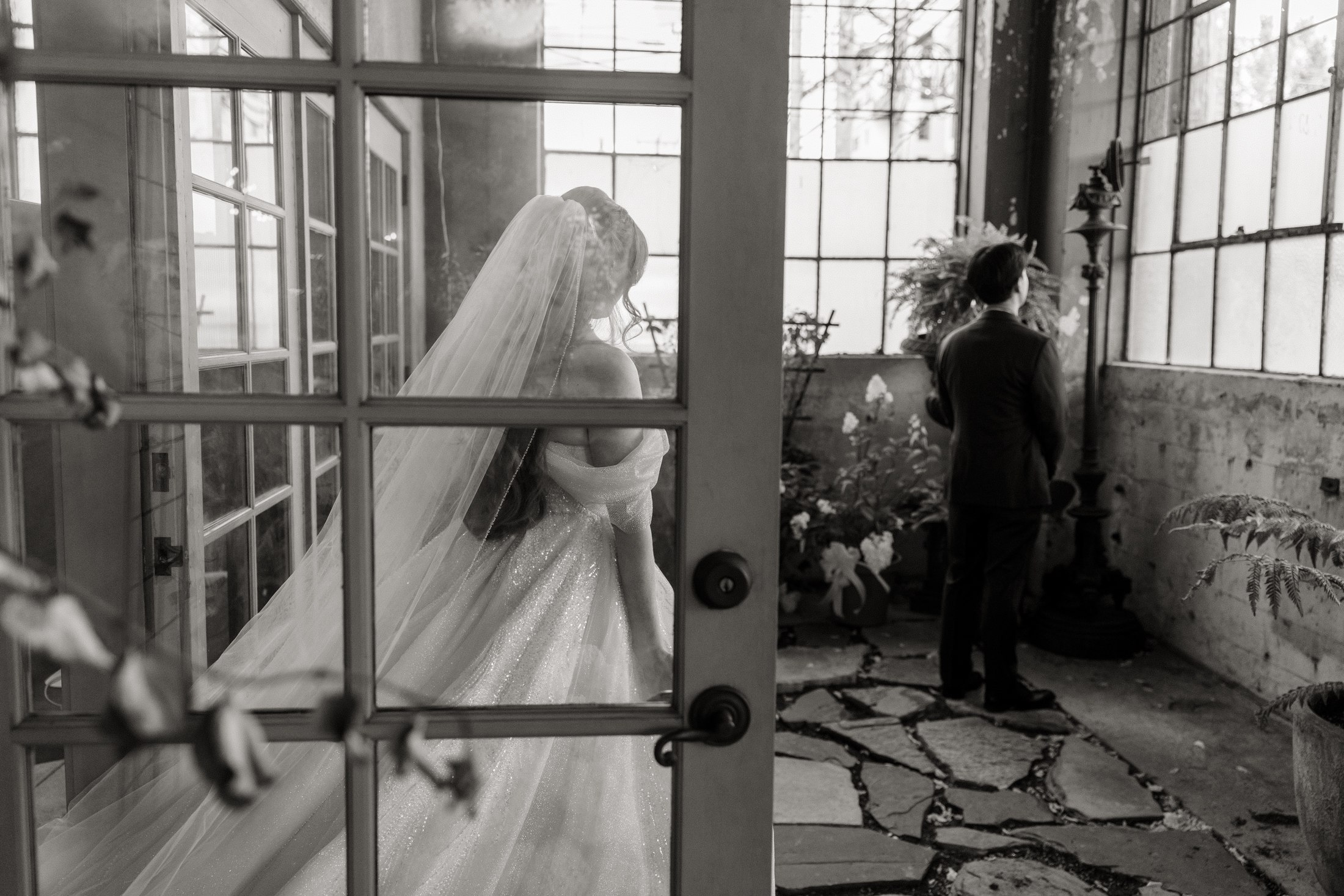
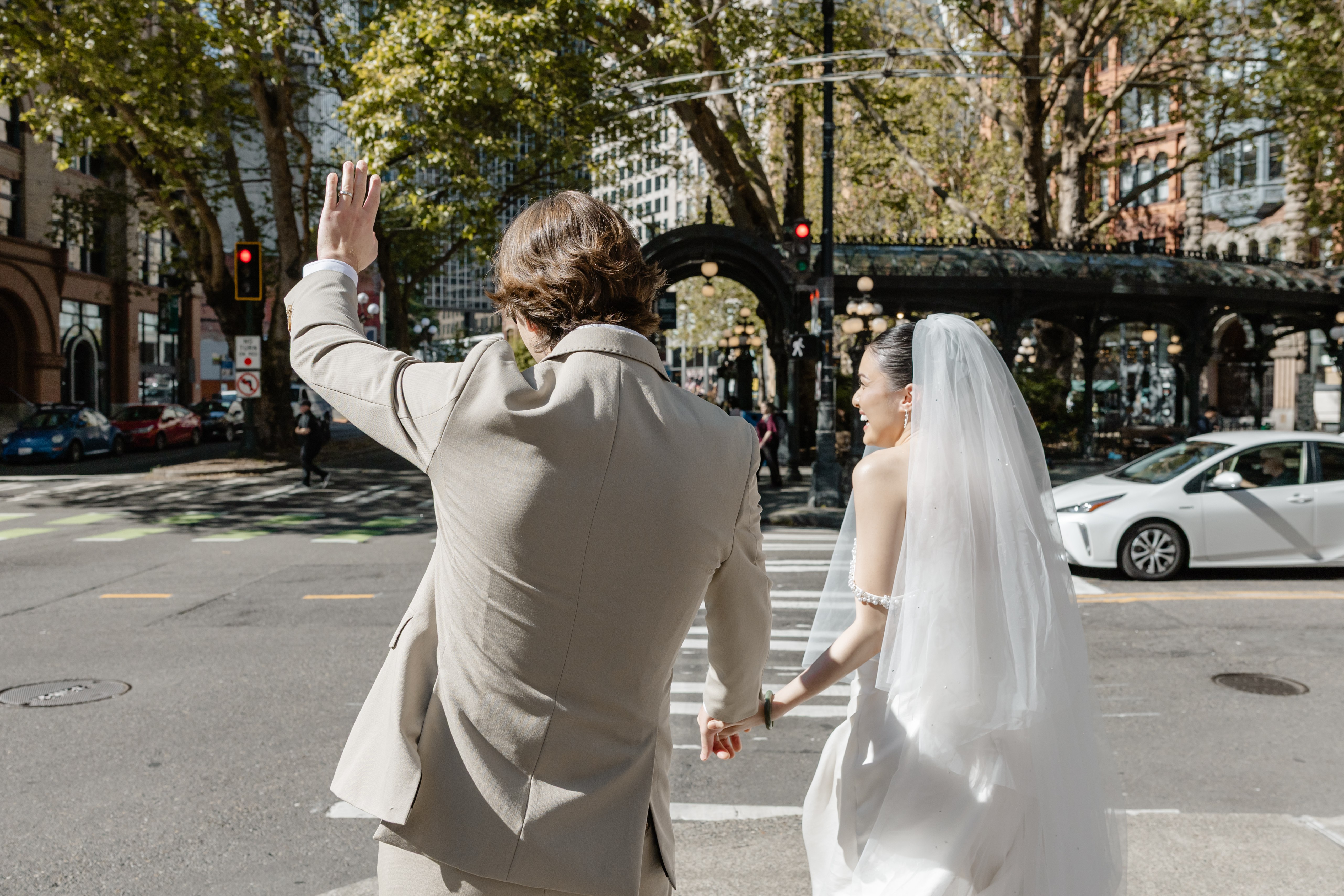
Our work lives in the middle of the spectrum on purpose.
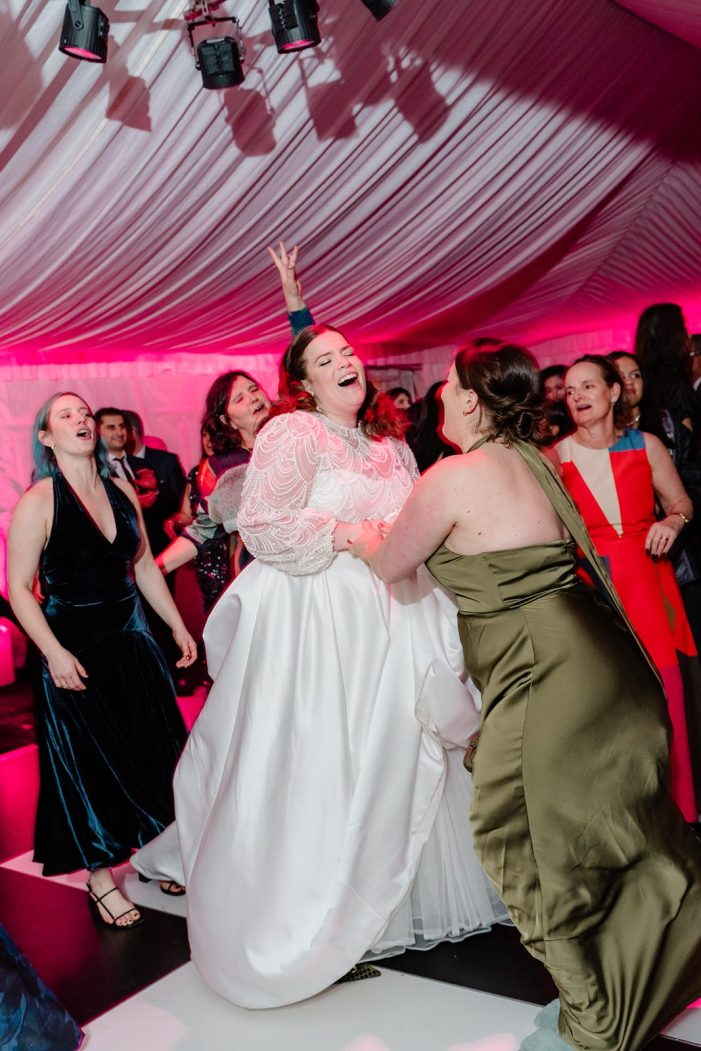
Documentary is the foundation. We follow what’s happening, capture the unguarded moments, and resist interrupting genuine things for the sake of a better composition. The bulk of every gallery is candid.
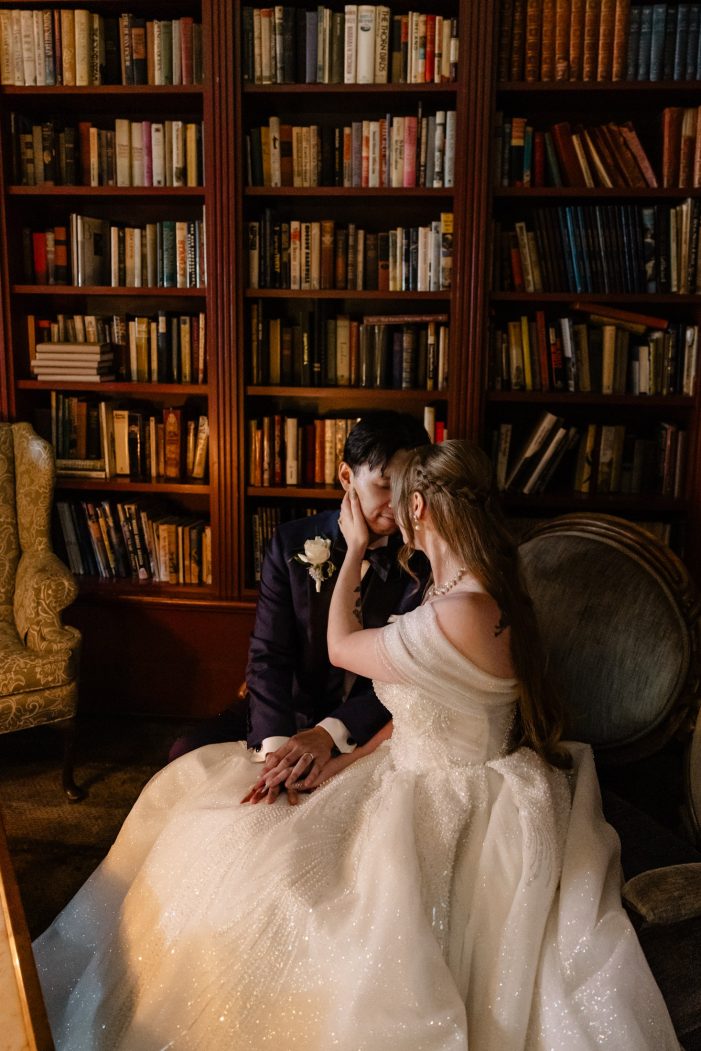
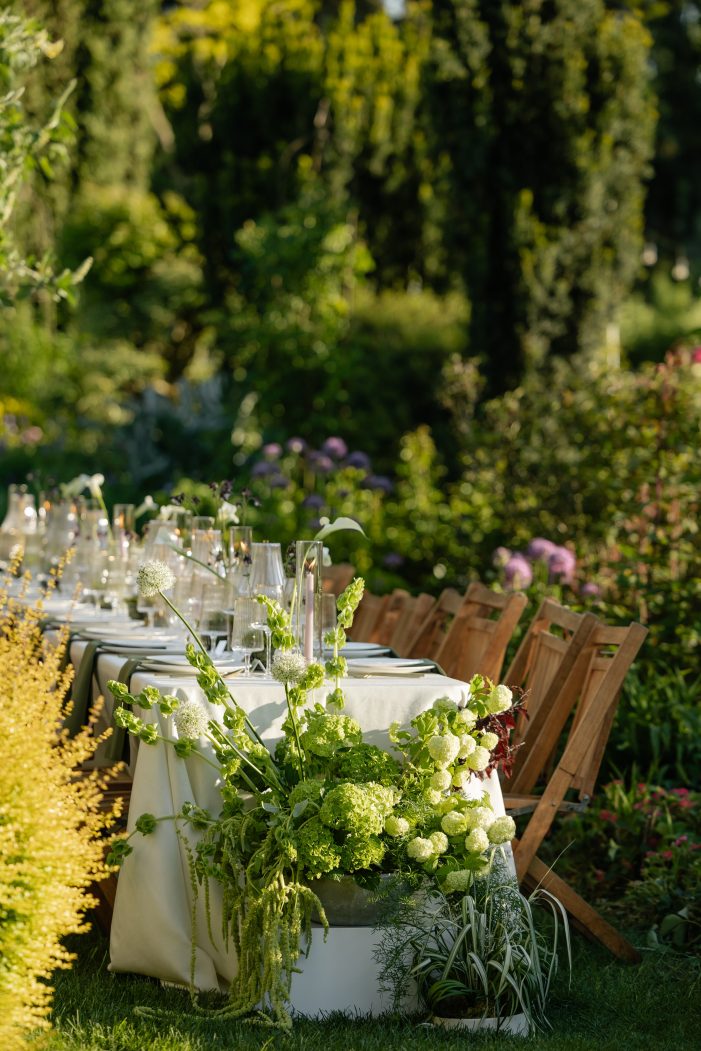
The refined half is what we add. We direct when the image calls for it. Couple portraits get intentional time and gentle guidance. Family photos run through a clear structure so they’re efficient and look beautiful. Detail shots are composed with care, not snapped on the way past. We bring an editorial photographer’s eye to the moments that benefit from direction, while keeping a documentary photographer’s discipline about the moments that don’t. At venues built around intentional design like Chateau Lill in Woodinville, this approach lets the architecture and detail work earn their place in the gallery without overwhelming the moments that matter most.
In practice: you won’t spend 2 hours on posed portraits with us. You also won’t end up with a gallery full of grainy candid shots and no polished images. The result is work that reads as a true record of your wedding, elevated by the moments where we slowed down.
For more on the candid side of how we work and how to set up your wedding day to support it, our candid wedding photography tips for couples post covers what couples can do to give documentary photography room to breathe.
How to figure out which photography style fits your wedding
A few questions cut through the noise.
Do you want photos that feel like the day actually was, or an elevated version of it? The honest answer determines the direction. Documentary is the first answer. Editorial is the second. Both is the middle of the spectrum.
Are you comfortable being directed? Some couples find directed photo time energizing. Others find it draining. Be honest with yourself, because the wrong fit here is the kind of thing you feel for the entire wedding day.
How much of your day are you willing to spend on portraits? Editorial means more time away from your guests. Documentary means more time with them. Our Seattle wedding day timeline post shows how each approach reshapes the day across different ceremony times.
What do you actually want to print or frame? If you imagine large prints of you and your partner posed in dramatic light, lean editorial. If you imagine an album that walks through the day in moments, lean documentary. Both, with intention behind both, is what we aim for.

Frequently asked questions
What’s the difference between candid and documentary photography?
Candid simply means unposed. Documentary is a full approach (observational, narrative, methodically capturing real moments). All documentary photography is candid, but not all candid is documentary. A traditional photographer catches a candid moment by accident; a documentary photographer builds their entire methodology around catching them on purpose.
Can a photographer shoot multiple styles well?
Some can, most can’t. The photographers who do both well sit in the middle of the spectrum by design. Photographers who oscillate between pure editorial and pure documentary across different weddings usually deliver inconsistent results.
Is editorial more expensive than documentary?
Style and price aren’t directly linked. Investment level is driven by experience, deliverables, hours, and team size. You’ll find both styles at every price tier. Our Seattle wedding photographer cost post breaks down what actually drives pricing.
Do you shoot light and airy or dark and moody?
Neither extreme. Our editing sits in the warm middle: faithful to how a moment actually felt, neither pushed brighter for trend nor crushed darker for mood. Galleries are consistent across the team because every image is reviewed by Taylor herself, regardless of which photographer shot the wedding. More on how that works in our associate wedding photographer in Seattle post.
How to start the conversation with us
If documentary meets refined sounds like the right approach for your wedding, the next step is to share where you’re getting married and what direction you’re leaning aesthetically.
We’re a small Seattle wedding photography team led by Taylor, serving intentional couples across Washington, Oregon, and California.