

When most couples build their wedding day timeline, they think about photos first. When to do the first look, how much time to leave for family portraits, when to fit in sunset. That’s the photographer’s perspective, and it’s important. But the timeline that actually shapes how your wedding feels is the one your guests live through. The one that determines whether they’re standing in a warm garden at 2pm with no shade. Whether they’re rushed from ceremony to dinner without a real cocktail hour. Whether the night ends with everyone on the dance floor or with people checking their watches.
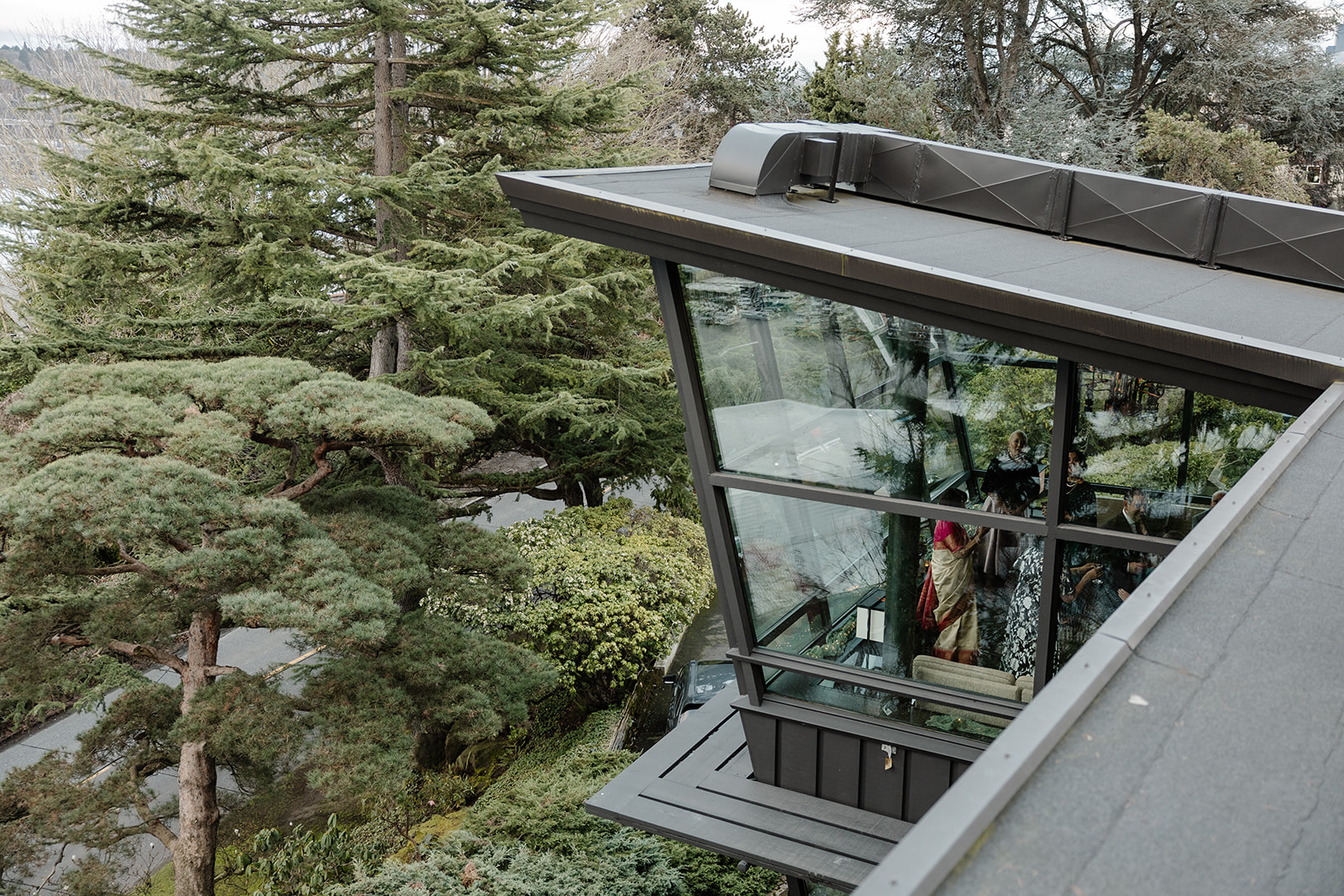
We’ve photographed weddings across Seattle and the Pacific Northwest for over a decade, and we’ve watched the same timeline patterns work or fail again and again. The patterns that work all share one quality: they’re designed for the guest first, and the photos build themselves around that.
This guide is for couples who want their wedding to feel like a great party, not just look like one. It walks through the timeline decisions that shape guest experience, how Seattle’s seasons affect those decisions, and 4 sample timelines you can use as starting points depending on when your ceremony begins. If you’re looking for how the photography timeline itself gets built alongside your planner’s main timeline, our stress free guide to creating a wedding photography timeline covers that process in detail.


What “guest experience” actually means in a wedding timeline
Guest experience is one of those phrases that gets used a lot and defined rarely. In timeline terms, it means 5 specific things: Your guests arrive without feeling rushed and aren’t asked to wait too long before something happens. They have a comfortable place to stand or sit between the ceremony and reception. They eat at a reasonable hour. They have enough time on the dance floor for the night to actually build energy. And they leave feeling like they were part of something, not like they sat through a 6 hour event. When a timeline protects those 5 things, the day works. When it doesn’t, no amount of beautiful florals or curated playlists can recover it. Guest experience is the structural skeleton that holds everything else up.


The 7 timeline decisions that shape your guest experience
Ceremony start time
This is the single most important decision you’ll make, and it ripples through everything else. A ceremony that starts too early forces guests to disrupt their entire day to attend. A ceremony that starts too late risks the night running out of energy before you reach the dance floor. In Seattle specifically, ceremony start time also has to account for sunset, since outdoor portraits and golden hour planning depend on where the sun is sitting. The sweet spot for mostSeattle weddings falls between 3:00pm and 5:30pm. Earlier than 3:00pm tends to mean a long, awkward stretch before dinner that’s hard to fill. Later than 5:30pm in winter risks losing all daylight before the ceremony ends.

Wedding party and family photos
Before or after the ceremony? This is one of the most consequential timeline decisions couples make, and it shifts everything else. There are three real options. Couple portraits before the ceremony, group photos after. The couple does a first look and gets all their intimate portrait time before the ceremony. Then wedding party photos, immediate family photos, and extended family photos all happen during cocktail hour after the ceremony.This is the structure we recommend most often because it gives the couple their best portrait light and energy before the ceremony rush, while keeping the bigger group logistics out of the morning when everyone is still arriving.
All photos before the ceremony
With a first look, every group photo (wedding party, family, couple) happens in the pre ceremony window. The couple can then join cocktail hour completely free of photo obligations. The trade off is that it requires significantly more pre ceremony time. Family members have to arrive much earlier than they otherwise would.You can save extended family for after the ceremony and head off to your cocktail hour much sooner with lesss tress post-ceremony.


All photos after the ceremony (no first look)
The couple sees each other for the first time at the altar. Every portrait happens after the ceremony during cocktail hour. This preserves the traditional reveal moment, but the couple is largely absent during cocktail hour because all photos including couple portraits happen during that window. The right choice depends on what matters most to you. We’ve documented weddings every possible way and there is no wrong answer. The 4 samples below illustrate the different approaches across different seasons and ceremony times.
Cocktail hour length
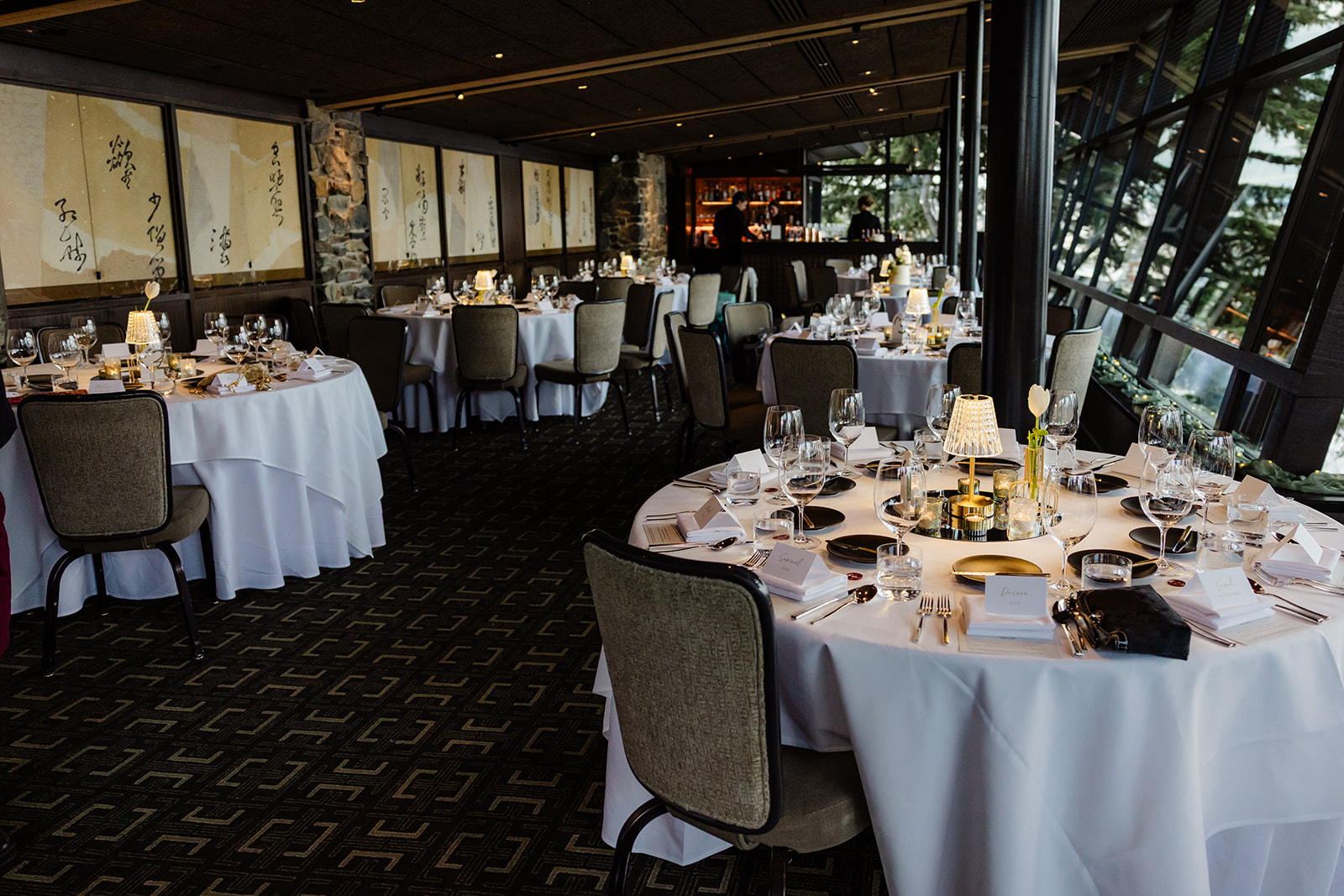
60 minutes is the standard for a reason. It’s long enough for guests to get a drink, mingle, and settle in. It’s short enough that the energy doesn’t dip. 90 minutes works if the venue requires a flip from ceremony space to reception space, but you’ll want strong appetizers and a bar that can keep up. Under 45 minutes feels rushed. Over 90 minutes starts to drag.
The gap between ceremony and dinner
Guests will forgive a lot, but they won’t forgive being hungry past 8:30pm. If your ceremony ends at 5:30pm, dinner should be served no later than 7:00pm. If your ceremony ends at 6:30pm (an evening ceremony), guests need to be eating by 8:00pm at the latest. Stretch this gap too long and the energy collapses before speeches even begin.
When speeches happen
Speeches early in the reception keep the room engaged before drinks have gone too far. Having them between courses or during dinner work well because guests are seated and attentive. Putting them after dinner risk losing the room to the dance floor. The strongest reception timelines we’ve seen cluster speeches in the first 30 to 45 minutes of the seated meal.


When the dance floor opens
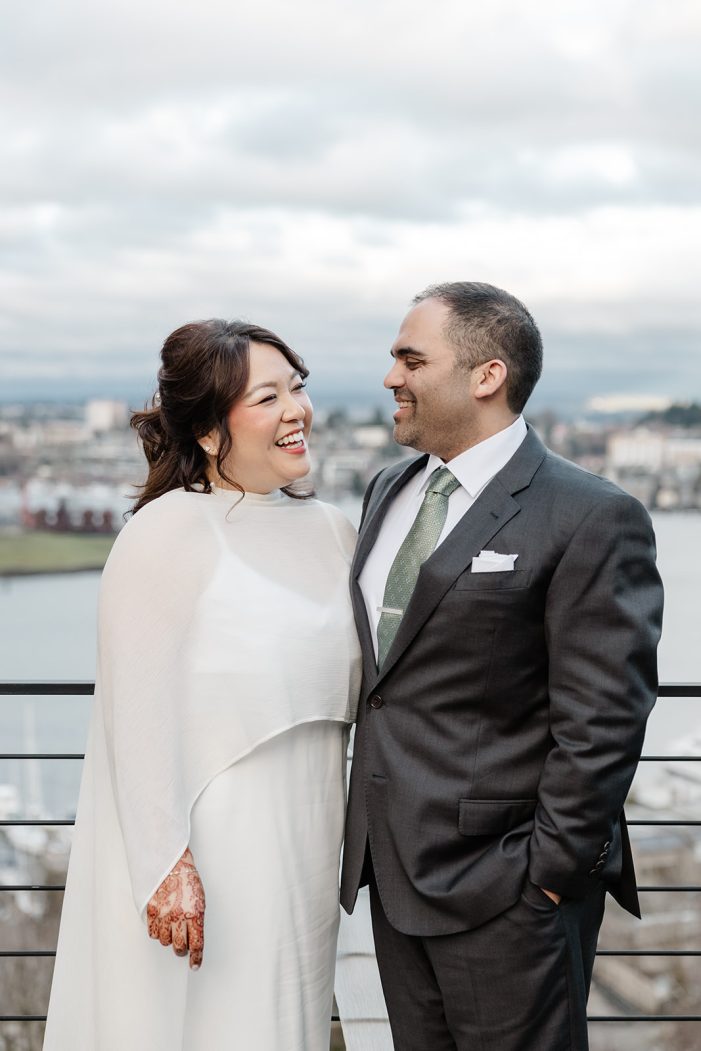
Once people are dancing, the rest of the night belongs to the dance floor. So the question is when to release the room. Most weddings benefit from a first dance that signals open dancing immediately afterward, with cake cutting either before dinner or tucked into the early dancing window so it doesn’t pause the energy.
The send off (or lack of one)
A send off at 10:00pm works when guests are already energized. A send off at midnight rarely sees the full guest list, because the older crowd has gone home and the younger crowd is still on the dance floor. If you want a real photo of guests sending you off, schedule a “false send off” earlier in the evening (around 9:00pm to 9:30pm) and then come back to keep dancing. We do this often, and it lets you have both the photo and the late night reception.
How Seattle seasons affect every one of these decisions
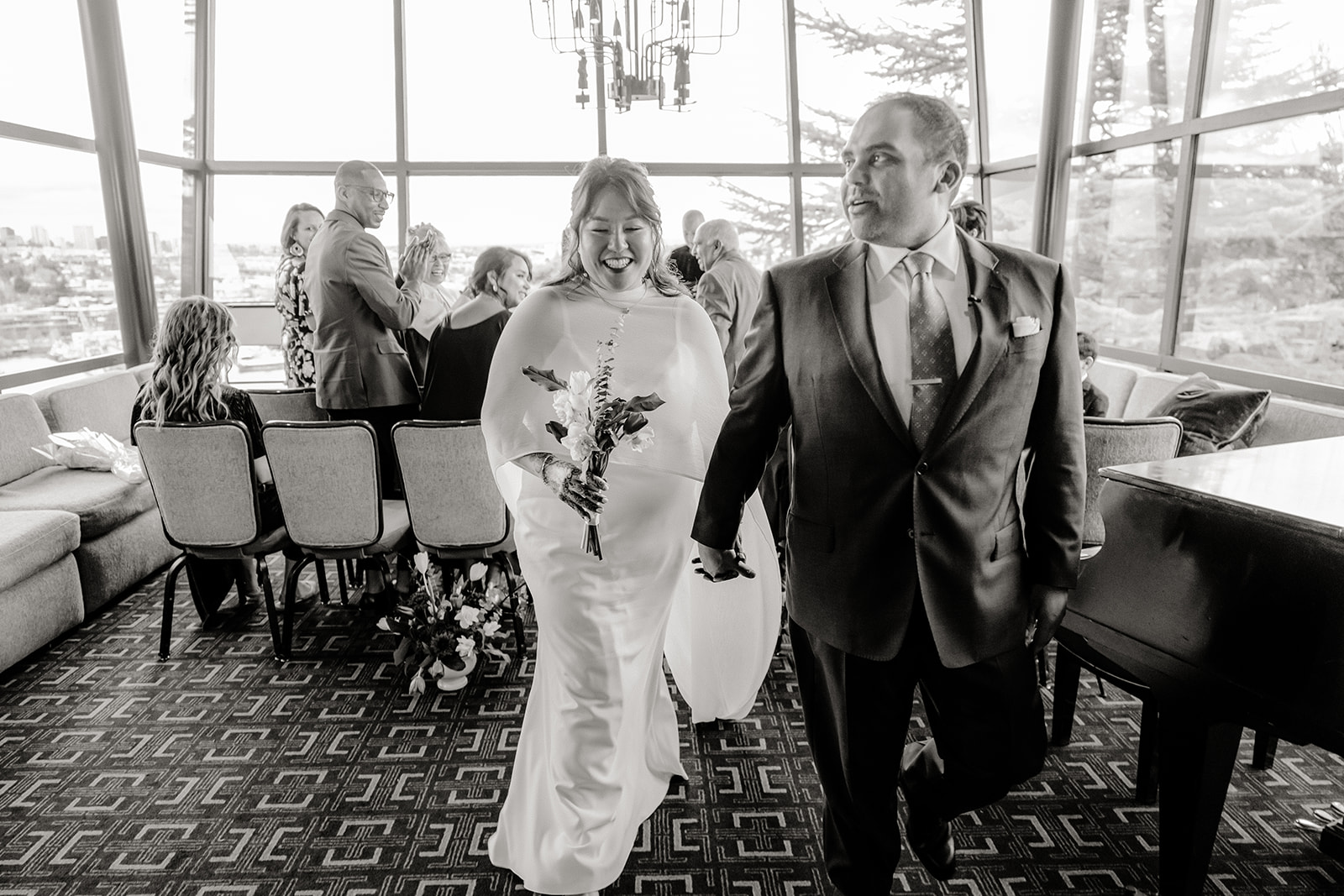
Seattle’s light and weather shift dramatically across the year, and a timeline that works in July will not work in November.
Summer (June through August)
Sunset falls between 8:30pm and 9:15pm in peak summer, which is the latest you’ll find anywhere in the lower 48. That means you have daylight for late ceremonies, golden hour portraits well after dinner, and outdoor receptions that don’t require lighting until very late. Summer is the easiest season to plan for, but it comes with two trade offs: temperatures regularly climb into the 80s, and shaded ceremony space matters more than couples expect. A 2:00pm ceremony in direct sun at a garden venue can be miserable for guests in formalwear. For summer, lean toward ceremony times between 4:30pm and 5:30pm. The light is still beautiful, the heat has passed its peak, and you’ll have hours of daylight left for portraits and the early reception.


Fall (September through October)
Sunset moves from 7:30pm in early September to 5:30pm by late October. Golden hour shifts earlier and earlier each week, which means your timeline needs to account for portraits being possible only in a much shorter window. Fall is also the most photogenic season in Seattle (rich light, fall color, fewer crowds at outdoor venues), but you have to design around shrinking daylight. For fall, ceremony times between 3:30pm and 4:30pm work best. This gives you a meaningful cocktail hour in remaining daylight and lets you catch true golden hour for sunset portraits.
Winter (November through February)
Sunset falls between 4:20pm and 5:15pm. Most ceremonies in this season are entirely indoor, and outdoor portraits are limited to a very narrow midday window. Winter weddings work beautifully in Seattle when they lean into the season (candlelit ceremonies, indoor venues with strong character, intentional warmth in the room), but the timeline has to compress. For winter, ceremony times of 2:00pm to 3:30pm allow for natural light photography around the ceremony itself. Reception flow shifts earlier as a result, often with dinner served by 6:00pm or 6:30pm.
Spring (March through May)
Sunset moves from 6:15pm in March to 8:30pm by late May. Spring is also the wettest stretch of the year in the Pacific Northwest, which means your timeline needs to assume rain is possible. Have a real plan for indoor ceremony fallback, and assume outdoor portrait windows may collapse with little warning. Our Washington wedding rain plan post covers how to design around weather without sacrificing the day.
For spring, ceremony times of 3:30pm to 5:00pm offer the most flexibility. You have light to spare, but you also have time to absorb weather delays if they come.

4 sample Seattle wedding day timelines by ceremony time
Each of these is a full 10 hour timeline, designed for a wedding of 100 to 150 guests with a single venue or a venue with a short ceremony-to-reception transition. They assume an experienced photo and video team, a planner or coordinator, and a real cocktail hour. Adjust by15 to 30 minutes in either direction based on your specific day.
Sample 1: 2:00pm ceremony (winter, short daylight)
12:00pm – Photo team arrives, details and getting ready coverage
1:00pm – First look and personal vows
1:20pm – Couples portraits
1:30pm – Guests begin to arrive, photo team setup for ceremony
2:00pm – Ceremony begins
2:30pm – Ceremony ends, cocktail hour begins
2:30pm – Marriage license signing
2:40pm – Wedding party and family photos
3:15pm – Couple joins cocktail hour, photo team candids and details of reception
3:35pm – Guests called to be seated
3:45pm – Grand entrance and first dance
4:00pm – Dinner served
4:45pm – Sneak out for sunset photos
5:00pm – Back at reception
5:20pm – Speeches
6:40pm – Cake cutting and open dancing begins
8:30pm – Late night snack
9:50pm – Send off
10:00pm – Photographer scheduled to leave, reception ends
This timeline front loads photography because winter daylight is so limited. The reception starts earlier than most couples expect, which actually benefits guest experience by getting dinner on the table before anyone is hungry.


Sample 2: 3:30pm ceremony (fall, balanced)
1:30pm – Photo team arrives, details and getting ready coverage
2:30pm – First look and personal vows
2:50pm – Couples portraits
3:00pm – Guests begin to arrive, photo team setup for ceremony
3:30pm – Ceremony begins
4:00pm – Ceremony ends, cocktail hour begins
4:00pm – Marriage license signing
4:10pm – Wedding party and family photos
4:45pm – Couple joins cocktail hour, photo team candids and details of reception
5:00pm – Guests called to be seated
5:15pm – Grand entrance and first dance
5:30pm – Dinner served
6:15pm – Sneak out for golden hour photos
6:30pm – Back at reception
6:45pm – Speeches
8:00pm – Cake cutting and open dancing begins
9:30pm – Late night snack
11:20pm – Send off
11:30pm – Photographer scheduled to leave, reception ends
This is the workhorse Seattle wedding timeline, give or take an hour. It works across most seasons except deep winter and high summer, and it threads the needle on every guest experience checkpoint.
Sample 3: 5:00pm ceremony (summer, evening light)
1:00pm – Photo team arrives, details and getting ready coverage
3:00pm – First look and personal vows
3:20pm – Couples portraits
3:30pm – Wedding party and family photos
4:30pm – Guests begin to arrive, photo team setup for ceremony
5:00pm – Ceremony begins
5:30pm – Ceremony ends, cocktail hour begins
5:30pm – Marriage license signing
5:40pm – Extended family photos
5:50pm – Couple joins cocktail hour, photo team candids and details of reception
6:15pm – Guests called to be seated
6:30pm – Grand entrance and first dance
6:15pm – Dinner served
7:00pm – Speeches
7:20pm – Cake cutting and open dancing begins
8:00pm –Sneak out for sunset photos
8:20pm – Back at reception
9:45pm – Mock send off for photos
11:00pm – Photographer scheduled to leave, reception ends
The 5:00pm ceremony only works in summer when sunset is late enough to support it. The advantage is significant: guests aren’t asked to gather until the temperature has dropped, dinner is served at a natural hour, and golden hour photos happen during the reception rather than cutting into it.


Sample 4: No first look, 4:00pm ceremony (traditional, all seasons)
1:00pm – Photo team arrives, details and getting ready coverage
1:30pm – Partner 1 getting ready candids and solo portraits, wedding party photos if time allows
2:30pm – Partner 2 getting ready candids and solo portraits, wedding party photos if time allows
3:30pm – Couple separated, guests begin to arrive, photo team setup for ceremony
4:00pm – Ceremony begins
4:30pm – Ceremony ends, cocktail hour begins
4:30pm – Marriage license signing
4:35pm – Couples portraits
4:55pm – Wedding party photos
5:15pm – Family photos
5:45pm – Couple joins cocktail hour briefly, photo team candids and details of reception
6:00pm – Guests called to be seated
6:15pm – Grand entrance and first dance
6:30pm – Dinner served
7:15pm – Sneak out for golden hour photos (if applicable)
7:30pm – Back at reception
7:45pm – Speeches
9:00pm – Cake cutting and open dancing begins
10:15pm – Late night snack
10:50pm – Send off
11:00pm – Photographer scheduled to leave, reception ends
This timeline preserves the traditional first-time reveal at the altar, but it concentrates every portrait (couple, wedding party, family) into the cocktail hour window. Lean hard on appetizers and entertainment during that hour so guests have something to do while the couple is occupied with photos.

The most common timeline mistakes we see at Seattle weddings
A few patterns come up enough that they’re worth flagging.
Ceremonies scheduled for noon or 1:00pm. This forces guests to either skip lunch or eat before the wedding, and it creates an awkward dead zone between ceremony and dinner that no amount of cocktail hour can fill. Unless you have a specific cultural or religious reason for the timing, push the ceremony back to at least 2:30pm.
Cocktail hours under 45 minutes.This usually happens when couples are trying to compress the day, but it backfires. Guests barely have time to get a drink before being asked to sit again, and the photographer is sprinting through portraits. Almost always worth extending.
Dinner served after 8:30pm. Older guests start to fade by 9:00pm, and an 8:30pm dinner means speeches and first dance push to 10:00pm or later. Most of your dance floor crowd will be gone by 11:00pm. Pull dinner earlier whenever possible.
Sunset portraits placed before dinner. This sounds intuitive but it creates a long gap between cocktail hour and dinner that guests notice. The cleaner move (and what all our samples show) is a quick 15 minute sneak out during dinner, after the main course is served but before dessert.
No buffer between ceremony and cocktail hour. Guests need 10 to 15 minutes to physically move from ceremony space to cocktail space, find the bar, and start drinks. Don’t schedule cocktail hour to start the exact moment the ceremony ends.
Frequently asked questions about Seattle wedding day timelines
What time should our Seattle wedding ceremony start?
For most Seattle weddings, a ceremony start time between 3:00pm and 5:30pm works best. The exact time depends on the season (winter ceremonies should start earlier to use available daylight, summer ceremonies can start later), the venue (some venues have hard cut off times for music or alcohol service), and whether you’re doing a first look (which pulls more of your timeline earlier in the day).
How long should a wedding day actually be?
Most full Seattle wedding days run 10 hours from the photographer’s arrival to the final song. That breaks down roughly as 3 hours of pre-ceremony coverage and portraits, a 30 minute ceremony, a 60 minute cocktail hour, a 90 minute seated dinner with speeches, and 3 to 4 hours of dancing and reception. Compressing the day below 8 hours forces sacrifices in either coverage or guest experience.
What’s the best ceremony time for guest comfort in summer?
In Seattle summer, 4:30pm to 5:30pm offers the best balance. Temperatures have dropped from their peak, guests are arriving in cooler conditions, and you still have hours of daylight for the reception. Earlier than 4:00pm in July or August often means guests sitting through ceremony in direct sun.
Should we do a first look to make our timeline easier?
A first look isn’t required, but it does make the day flow more smoothly for both you and your guests. With a first look, the majority of portraits happen before the ceremony. This means you can join cocktail hour with your guests rather than disappearing for an hour of photos. Without a first look, the cocktail hour becomes a photo window, and guests notice your absence. Both choices are valid; just be honest with yourself about which one fits how you want the day to feel.
How do we handle the gap between ceremony and reception at venues that require a flip?
Some venues use the same space for ceremony and reception, which requires a “flip” between the two. The flip usually takes 45 to 60 minutes, and during that window, guests need somewhere else to be. The strongest solution is a separate cocktail hour space (a patio, a lounge, a different room) with bar service and appetizers. If the venue can’t provide that, an extended cocktail hour off-site (a neighboring bar or lounge) is the backup. Don’t ask guests to wait in a hallway.
What if our wedding is at a venue without good natural light?
A few Seattle venues have limited or unflattering natural light during certain hours, particularly ballrooms and hotel spaces. In those cases, the timeline should prioritize outdoor portrait windows even at the cost of being further from the venue. Build a 30 minute window in your day for photos in better light. Even if it means a short walk or drive. We do this often at hotel venues in downtown Seattle.

How to build your own timeline from here
If you’ve already booked a planner, they’re your starting point. Send them this post (or the parts that resonate) and use it as a conversation framework for how you want your day to feel. If you haven’t booked a planner, our investment page lists what’s included in our wedding photography packages, and we can help walk through timeline strategy as part of our planning process with every couple we work with.
We’re a small Seattle wedding photography team that documents intentional weddings across the Pacific Northwest. Our founder Taylor personally trains and matches every photographer on the team, and we treat the wedding day timeline as one of the most important conversations we have with each couple. We work closely with planners and vendor teams to make sure the day flows well for both you and your guests.